Conservation
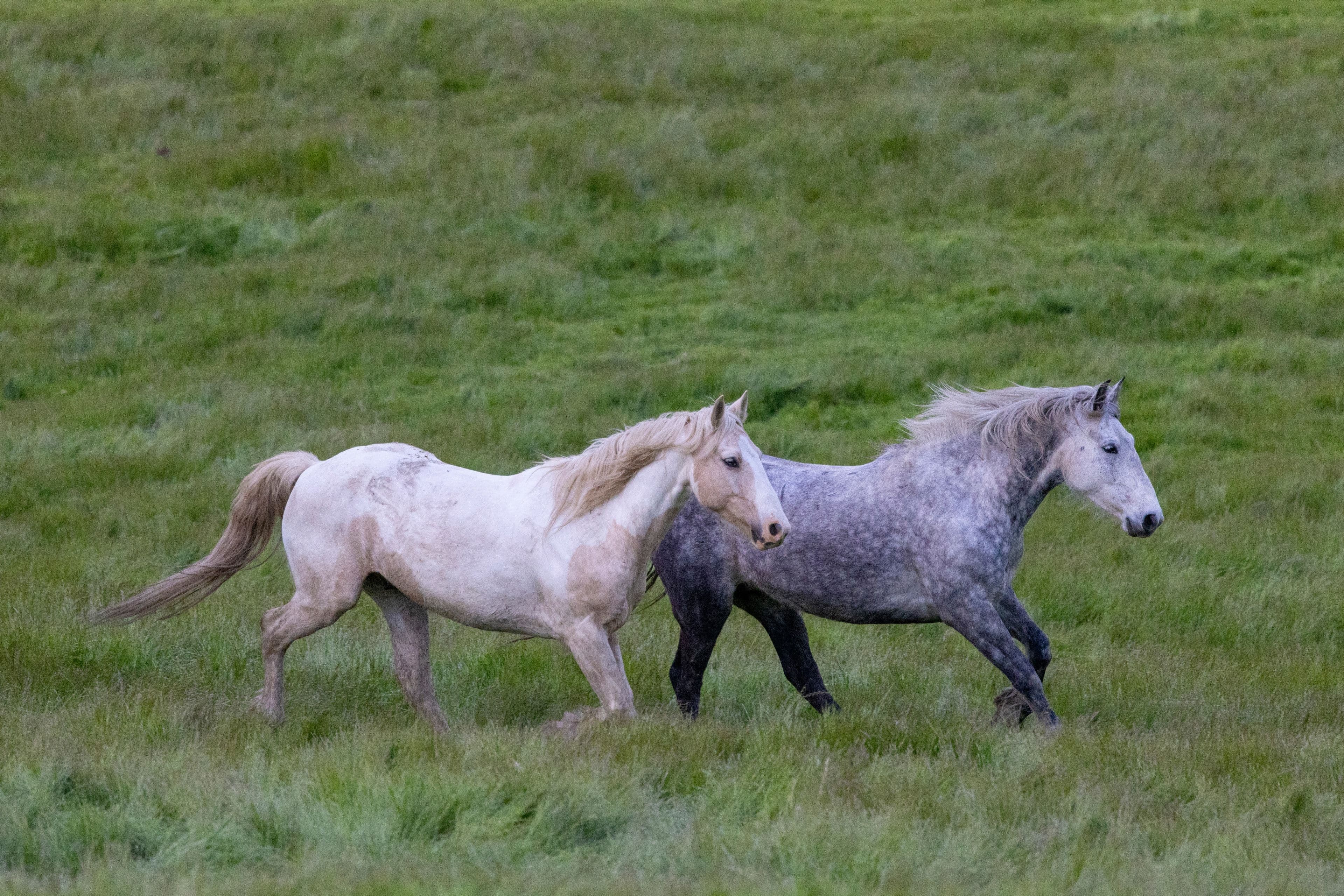
Return to Freedom is proud of its groundbreaking conservation work, including our pioneering use of fertility control, model holistic grazing program and preservation of threatened strains of America's mustangs. Taken together, these efforts help form the foundation of our advocacy work on behalf of wild horses and burros on our public lands.
Holistic Land Management
Holistic land management uses intentional herd movement, diversified grazing, and soil restoration practices to rebuild healthy grasslands. Instead of letting horses overgraze one area, we rotate them across the landscape to mimic natural patterns—encouraging regrowth, improving biodiversity, and strengthening water systems.
Recorded at RTF's SLO sanctuary, this video shows Rodger Savory demonstrating how wild horses support land restoration in brittle environments—ecosystems with distinct wet and dry seasons that cannot regenerate without animal impact and thoughtful human management. Through timed grazing and long recovery periods, degraded hillsides now retain water, grow native grasses, and rebuild soil structure.
Before Reseeding
RTF staff seeding for the regenerative grazing project in San Luis Obispo, CA.
After Reseeding
Grass growth at San Luis Obispo - showing progress from our regenerative grazing project.
Preservation of Rare Historic Horse Strains
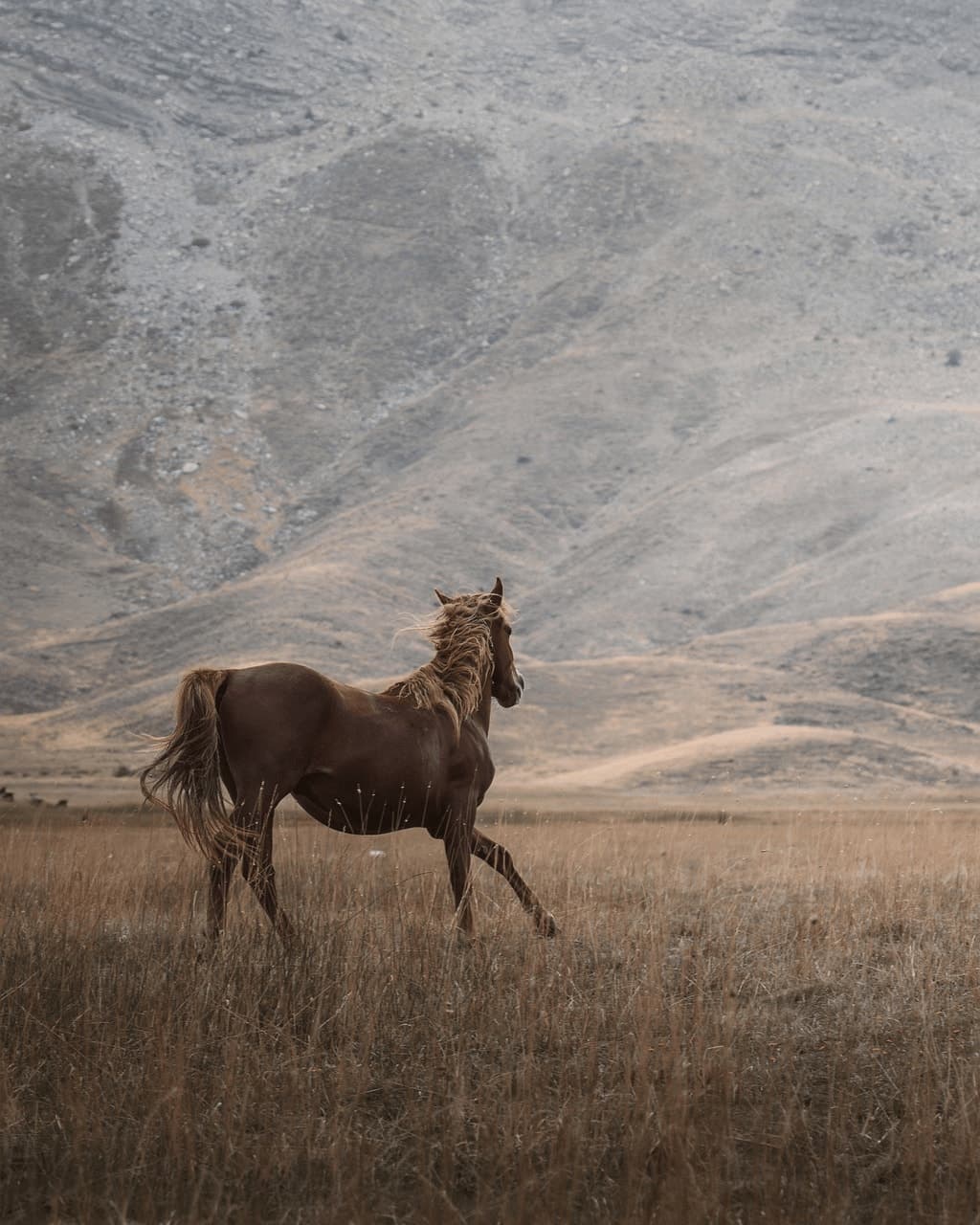
Cerbat Spanish Mustangs
A critically rare desert-adapted strain from the rugged Cerbat Mountains of northern Arizona. For generations, their lineage remained relatively isolated, preserving strong Old World Spanish characteristics. RTF protects Cerbat family bands to ensure this ancient lineage continues into the future.
Learn more about the Hart Mountain Herd
How RTF Protects Rare Historic Strains
Return to Freedom safeguards several of the most endangered early American horse
strains—lineages tracing back to Spanish colonial and Indigenous history. We protect
these horses through intact family bands, careful genetic management, and secure
sanctuary habitat where their lineage can be preserved without the threat of removal
or fragmentation.
Choctaw Horses
A strain closely tied to the history of the Choctaw Nation, these horses descend from early Spanish stock brought to the Southeast. Choctaws are known for their endurance, agility, and distinctive Spanish-type traits. RTF protects several Choctaw family bands, helping maintain one of the few remaining sources of genetic diversity for this rare lineage.
Donate to Protect Choctaw Horses
Fertility Control
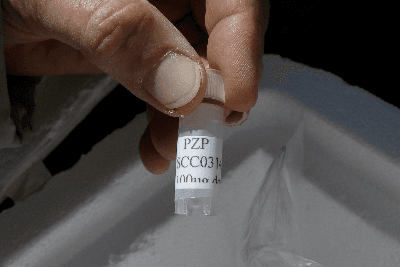
What Is PZP Fertility Control?
Porcine Zona Pellucida (PZP) is a non-hormonal, reversible vaccine used to humanely
slow herd growth. Unlike hormonal methods, PZP does not change behavior, disrupt
natural cycling, or alter herd hierarchy. Instead, it simply prevents fertilization
while allowing mares to live and interact normally within their family bands.
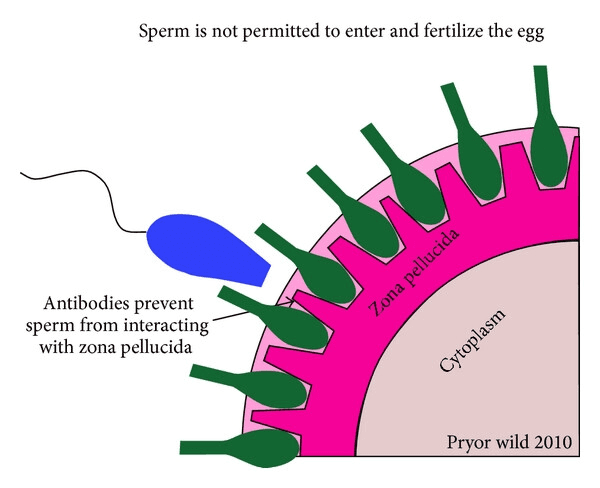
How It Works
PZP causes the mare's immune system to create antibodies that block sperm from attaching
to the egg. The mare still comes into heat and exhibits her full range of natural
behaviors—she just does not conceive. Initial treatment requires a primer and booster,
followed by periodic maintenance doses depending on the herd and setting.
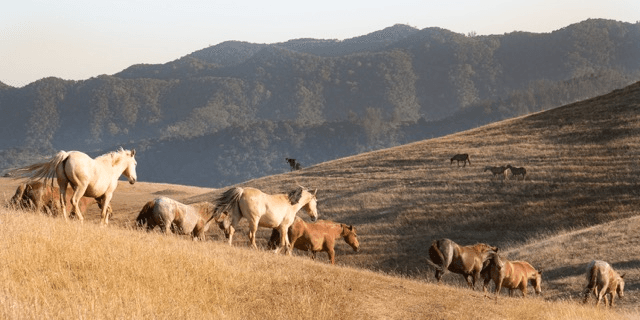
Why It's Effective
Decades of field use show 98-99% success in preventing pregnancies when mares receive
timely boosters. Small fluctuations are expected in wildlife biology but do not affect
overall herd stability. The result is predictable, steady population control without
removing horses from the range or breaking apart social structures.
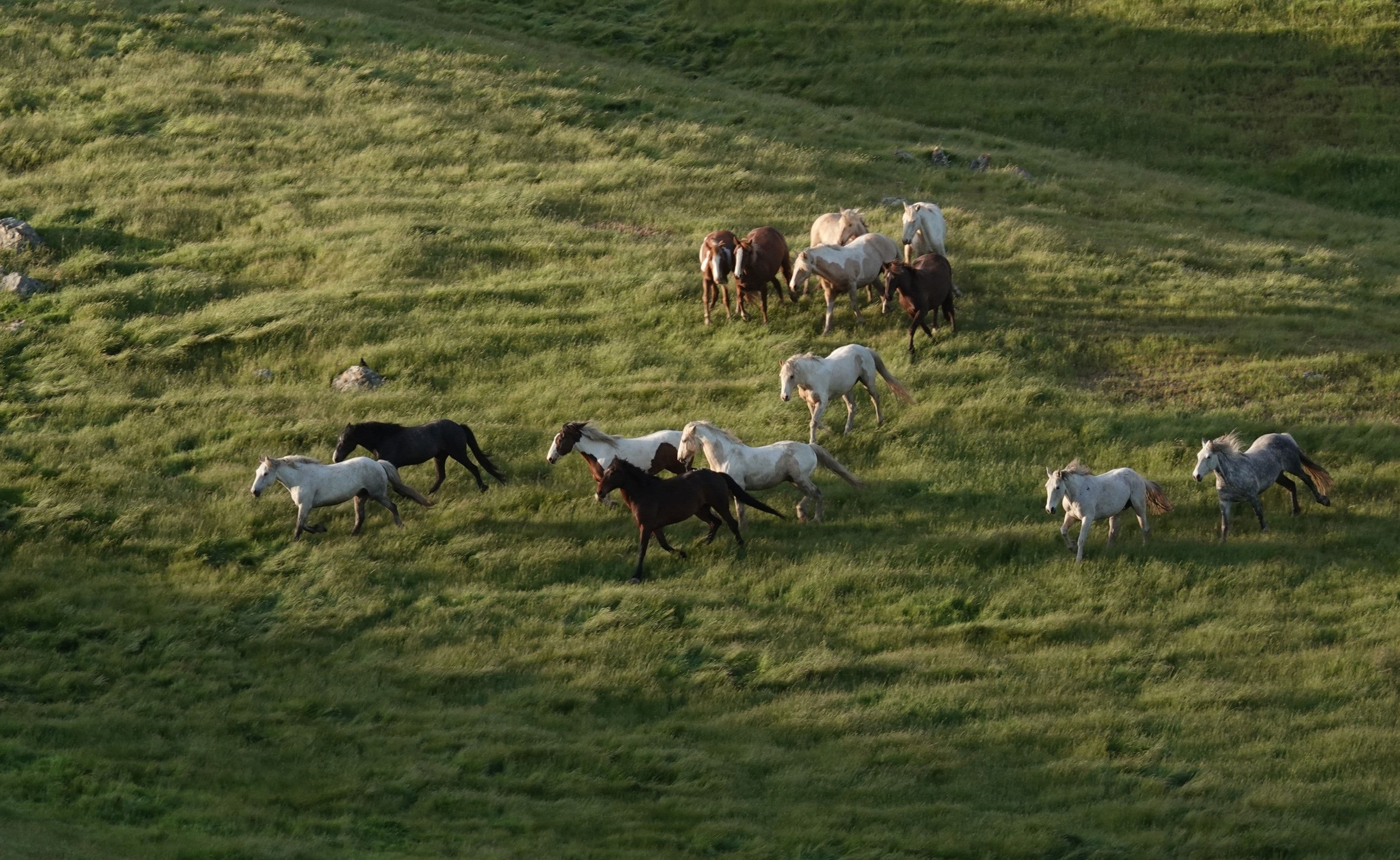
Why It Matters for Ecosystems and Management
Stabilizing herd growth on the range reduces pressure on forage and water, prevents
overcrowding, and lessens conflict with livestock. PZP programs cost a fraction of
helicopter roundups and holding facilities, offering the most humane and economically
responsible path for long-term wild horse management on public lands.
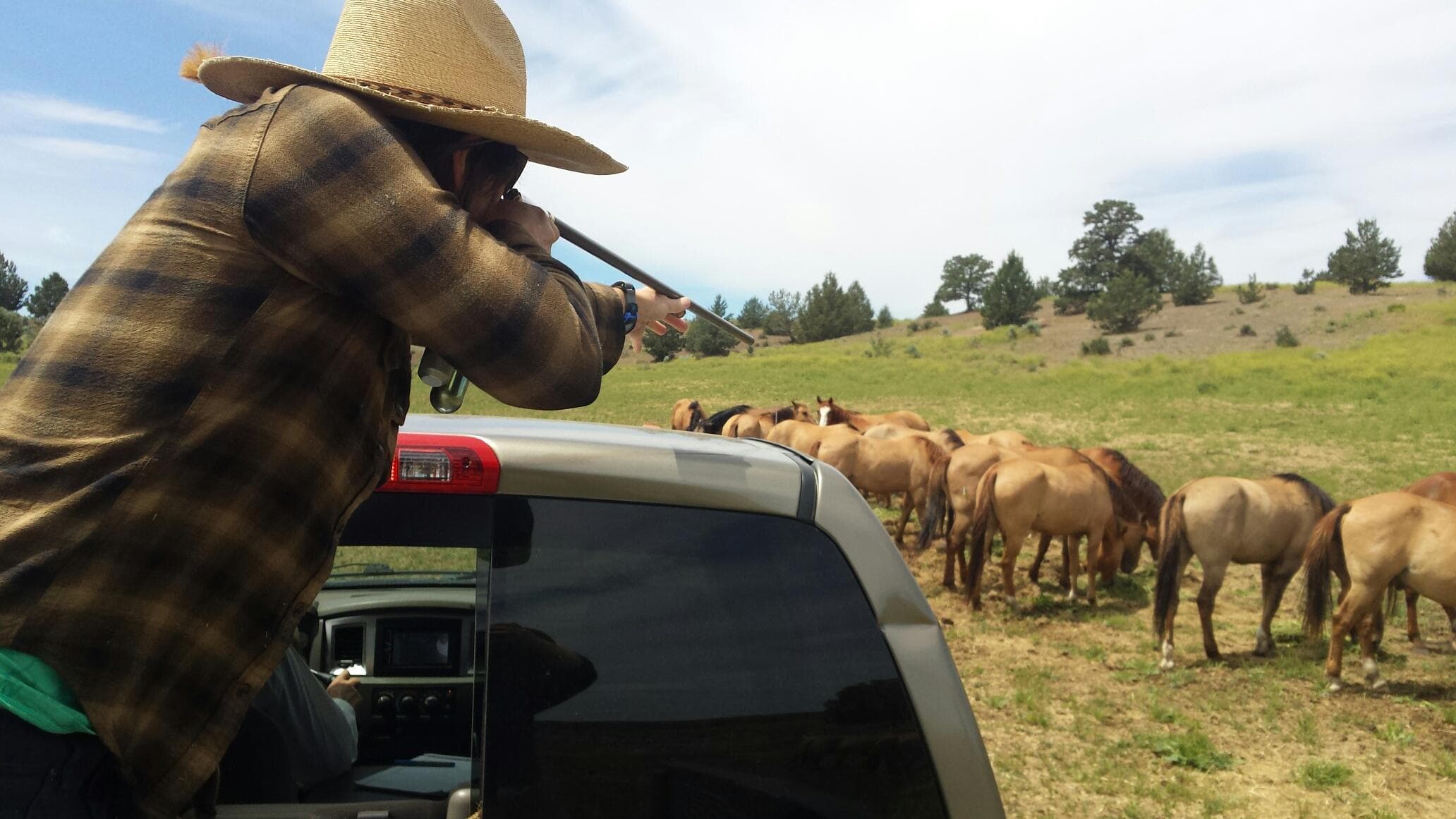
RTF's Role in Advancing Fertility Control
Return to Freedom was one of the earliest organizations to implement native PZP in 1999
and has contributed hands-on data and model practices for over 25 years. Today, RTF leads
both sanctuary-based population management and an expanding On-Range Project, where the
team monitors bands, identifies individuals, and uses remote darting to keep horses free
on the landscapes they belong to.
Support our conservation efforts by donating to our Sanctuary Fund
The Wild Horse Defense Fund fuels Return to Freedom's frontline work to end cruel roundups, advance humane on-range management, and defend wild horses through advocacy, legal action, and education.
Donate Now